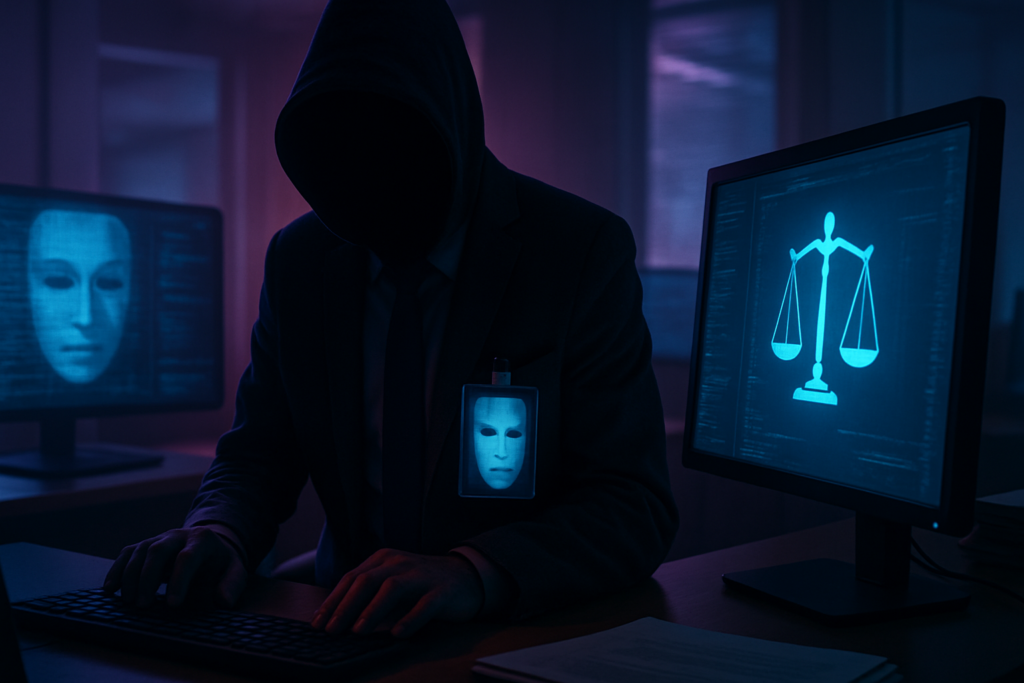
The Silent Ransom Group is back in the headlines with a particularly devious social engineering campaign. The criminal group, active since at least 2022, has been systematically targeting American law firms by impersonating internal IT personnel. In May 2025, the FBI issued an official alert warning organizations and businesses about the threat.
Who Is the Silent Ransom Group and How Do They Operate
A Group With Many Names
The Silent Ransom Group is also known as Luna Moth, Chatty Spider, and UNC3753. The group has been operating in the cybercriminal landscape for at least three years, building a reputation not on traditional malware, but on sophisticated deception techniques.
Make no mistake — this group should not be underestimated. Rather than deploying file-encrypting ransomware, they focus on stealing sensitive data and then extorting their victims. The threat is straightforward: pay up, or the stolen information gets sold or publicly released.
Who They Target
Since at least 2023, the Silent Ransom Group has systematically set its sights on American law firms. The choice is anything but random. Legal practices hold highly confidential data — contracts, client information, ongoing litigation details — making them a goldmine for extortion. A successful attack can trigger not only serious financial damage but also irreversible reputational harm.
Attack Tactics: From Phishing to Physical Intrusion
Phishing Emails and Fraudulent Phone Calls
The group’s preferred method is callback phishing. Attackers send emails that appear to come from the company’s internal IT helpdesk, prompting employees to call a technical support number. When the victim calls, they are connected to a fake IT operator working for the criminal group.
The goal is to persuade the employee to install remote access software or initiate a remote desktop session — at which point the attackers gain direct entry into corporate systems.
What makes this technique so effective is that it exploits employees’ inherent trust in their own IT department. There is no need to bypass firewalls or defeat antivirus software. All it takes is convincing a human being.
When Digital Isn’t Enough: Physical Impersonation
The group has also developed an even bolder tactic. If remote access attempts fail, operatives show up in person at the target organization, posing as visiting IT technicians.
The FBI confirmed this scenario in its alert. Criminals physically insert malicious USB devices into company computers, gaining direct access to internal networks and data.
This escalation deserves serious attention. A cyberattack that crosses into the physical world is a scenario few organizations have factored into their security planning — and one that traditional countermeasures alone are simply not equipped to handle.
Impact and Risks for Organizations
Data Theft and Extortion
The Silent Ransom Group’s criminal model follows a clear playbook: steal the data, threaten the victim, demand payment to prevent disclosure.
Organizations that fall victim find themselves in an impossible position. Paying the ransom offers no guarantee that the data won’t be sold anyway. Refusing to pay risks severe exposure of confidential information.
In the legal sector, the reputational fallout can be catastrophic. Clients entrust law firms with their most sensitive matters, and a breach can undo years of carefully built trust in an instant.
The Human Vector: The Hardest Vulnerability to Fix
The Silent Ransom Group’s campaign is yet another reminder that the human factor remains the most exploited attack vector. No zero-day vulnerabilities required. No sophisticated exploits needed. Just a convincing phone call.
That said, organizations are far from powerless. Continuous staff training is essential. Employees must learn to recognize suspicious requests — even when they appear to come from a familiar IT colleague.
How to Defend Your Organization: Practical Recommendations
Technical and Organizational Measures
Organizations can implement several effective countermeasures:
- Always verify the identity of anyone requesting remote access, even if they claim to be internal IT staff.
- Disable USB ports on corporate devices where they are not strictly necessary.
- Implement authorization procedures for remote support sessions.
- Train staff on social engineering techniques, including callback phishing.
- Immediately report any unusual contact to the security team.
In this context, close collaboration between HR, IT, and security teams is essential. An attacker who walks through the front door must be stopped by operational procedures, not just by technology.
Sources
- DataBreaches.net – Silent Ransom Group Impersonating IT Personnel through Social Engineering
- SecurityWeek – FBI: Hackers Sending Operatives In Person to Insert USB Drives and Steal Data
Source: Original article
Campaigns like the one carried out by the Silent Ransom Group highlight just how critical it is for organizations to share threat intelligence quickly and reliably. IsacChain provides a secure platform for threat intelligence sharing among industry operators, featuring automated NIS2 compliance that simplifies European regulatory obligations and blockchain-based verification that guarantees the integrity and traceability of every piece of shared information. In a landscape where the human attack vector is being exploited more than ever, having access to verified, real-time data can mean the difference between preventing an attack and suffering its full consequences. Discover how IsacChain can help your organization at www.isacchain.com